
How SMM is Changing the Game for Small Businesses ?
In today’s digital age, small businesses no longer need massive budgets to compete with industry giants. Thanks to social media marketing (SMM), entrepreneurs can build their brand, engage with their audience, and drive sales without the costly overhead of traditional advertising. SMM has revolutionized the way small businesses operate, making marketing more affordable, effective, and scalable. The Power of SMM for Small Businesses Gone are the days when small businesses struggled to gain visibility. With billions of users actively scrolling through platforms like Instagram, Facebook, LinkedIn, and Twitter, SMM offers an unprecedented opportunity for businesses to market their products and services globally. One of the greatest advantages of SMM is its cost-effectiveness. Unlike print ads, TV commercials, or billboard campaigns—which demand hefty investments—SMM allows businesses to organically grow their presence without large expenses. Even a small investment in targeted advertising can lead to significant engagement and conversions, helping small businesses reach their ideal customers more efficiently. Personalized Engagement and Brand Building Another game-changing aspect of SMM is the ability to foster direct and personalized customer interactions. Small businesses can respond to inquiries, address concerns, and provide real-time support—all while building trust and rapport with their audience. Features like live streaming, interactive polls, and Q&A sessions allow brands to connect with customers on a more personal level, making them feel heard and valued. Additionally, SMM helps businesses craft their brand identity. Through strategic storytelling, visually engaging content, and consistent messaging, brands can establish a unique voice in the market. A strong social media presence not only boosts credibility but also enhances customer loyalty. Businesses that maintain an active and engaging profile tend to see higher retention rates and word-of-mouth referrals. Data-Driven Strategies for Growth Unlike traditional marketing, where success is often measured through estimates, SMM offers precise analytics that help businesses refine their strategies. With insights on engagement rates, reach, click-through rates, and conversions, businesses can adjust their approach based on real-time data. Tools like Meta Business Suite, Google Analytics, and LinkedIn Insights empower entrepreneurs to maximize their marketing effectiveness by tailoring their campaigns to audience behavior. Another invaluable aspect of SMM is influencer marketing. By collaborating with micro-influencers, small businesses can tap into niche markets and gain credibility through trusted voices. Influencers help brands reach a wider audience in an authentic way, making promotional content more relatable and effective. Unlike conventional ads, influencer recommendations often feel more organic, leading to increased trust and higher conversions. The Rise of Video Content and Short-Form Marketing SMM is also shaping how content is consumed. Platforms like TikTok, Instagram Reels, and YouTube Shorts have changed the landscape by prioritizing short-form video content. Small businesses that embrace video marketing stand out in crowded feeds and capture attention more effectively. Videos showcasing product demos, behind-the-scenes glimpses, customer testimonials, or storytelling narratives tend to drive higher engagement compared to static posts. Additionally, SMM has fueled the rise of user-generated content (UGC). Encouraging customers to share their experiences with a brand not only boosts credibility but also serves as free marketing. People trust recommendations from real users more than polished corporate advertisements, making UGC a powerful tool for small businesses looking to build a loyal customer base. Conclusion Social media marketing (SMM) has undeniably transformed the way small businesses operate and compete in the modern digital landscape. Unlike traditional advertising methods that require a significant financial investment, SMM provides businesses with cost-effective tools to build brand awareness, engage with their audience, and drive meaningful conversions. Whether through organic content, targeted ads, influencer collaborations, or viral marketing strategies, small businesses now have opportunities that were once reserved for large corporations with deep pockets. Beyond just marketing, SMM enables businesses to cultivate strong customer relationships, foster brand loyalty, and establish themselves as industry leaders within their niche. By engaging directly with their audience through interactive content, live sessions, and personalized messaging, businesses can create a sense of community around their brand. This community-driven approach not only enhances customer satisfaction but also encourages word-of-mouth marketing, which remains one of the most powerful ways to expand a brand’s reach. The beauty of SMM lies in its flexibility—brands can test different strategies, analyze performance through data-driven insights, and refine their campaigns based on measurable results. With advancements in AI-powered marketing tools, predictive analytics, and automation, the future of SMM is even more promising for small businesses. Those that adapt to the evolving trends, embrace innovation, and actively engage with their audience will be the ones to thrive in an increasingly competitive marketplace. As the digital landscape continues to shift, small businesses must recognize that SMM is not just a marketing tool—it’s a necessity for sustainable growth and success. Investing time and effort into a strong social media strategy can yield long-term benefits that go beyond immediate sales. So, whether you’re an entrepreneur just starting out or an established brand looking to strengthen your presence, leveraging SMM effectively can be the key to unlocking new opportunities and propelling your business to greater heights. Have you implemented SMM strategies for your business yet? If not, now is the perfect time to start!
How SMM is Changing the Game for Small Businesses ? Read More »
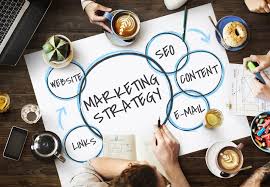
How to Build an Effective Digital Marketing Strategy from Scratch?
In a world where more than 60% of the global population is online, digital marketing is no longer optional — it’s essential. Whether you’re a startup, a freelancer, or an established brand shifting online, creating a digital marketing strategy from scratch might seem overwhelming. But with the right roadmap, it’s completely manageable — and even exciting. This blog walks you through the exact steps to build a powerful, goal-oriented, and data-backed digital marketing strategy from the ground up. 🔍 Step 1: Define Your Goals Clearly Every great strategy starts with a goal. What are you trying to achieve through digital marketing?Your objectives could be: Use the SMART goal framework — Specific, Measurable, Achievable, Relevant, and Time-bound. For example, instead of saying “I want more traffic,” aim for “Increase website traffic by 30% in 3 months.” 👥 Step 2: Know Your Target Audience Digital marketing without a defined audience is like shooting arrows in the dark. Ask yourself: Build a buyer persona — a detailed profile of your ideal customer that includes their age, gender, interests, online behavior, income level, job role, and more. Tools like Google Analytics, Facebook Insights, and surveys can help you collect this data. The better you know your audience, the more targeted and effective your campaigns will be. 🌐 Step 3: Choose the Right Digital Channels Not every platform will serve your purpose. The best digital marketing strategy focus on channels that align with your goals and target audience. Some of the most popular channels include: Choose 2-3 platforms to start, then scale based on performance and available resources. 🛠️ Step 4: Create Valuable Content Content is the heart of digital marketing. Whether it’s a tweet, a blog post, or a YouTube video — your content should always: Develop a content calendar so you can plan topics ahead of time, stay consistent, and balance different types of content (educational, promotional, behind-the-scenes, etc.). Don’t forget to repurpose — one blog post can become a newsletter, Instagram carousel, and short-form video. 🔎 Step 5: Implement SEO Best Practices If you’re creating content but no one finds it, it’s a lost opportunity. To boost your visibility on search engines: SEO takes time, but it’s one of the most cost-effective and sustainable digital marketing strategy in the long run. 📢 Step 6: Run Targeted Ad Campaigns Paid advertising helps you accelerate growth while you’re building organic reach. Start with platforms like: Begin with a small budget and A/B test your creatives, copy, and CTAs (calls to action). Monitor which audience segment or ad performs best and optimize accordingly. 📊 Step 7: Track, Analyze & Optimize This is what separates mediocre marketers from great ones — analytics. Use tools like: Set key performance indicators (KPIs) based on your goals. For example: Use this data to tweak your strategy. Maybe Instagram isn’t bringing results but Pinterest is. Maybe your blogs are ranking well, but emails have poor engagement. Test, learn, and evolve. 🤝 Step 8: Focus on Engagement and Relationships Marketing today isn’t about just selling — it’s about building relationships. Engage with your audience through comments, polls, DMs, and user-generated content. Respond to queries promptly and make your audience feel heard. You’re not just running campaigns — you’re building a community. And loyal communities often convert better than cold leads. 🚀 Start Small, But Start Now You don’t need to master every channel or have a massive budget to begin. Start with what you have. Pick one channel. Create value. Track what works. And scale. Remember, digital marketing is a long-term game. It’s about consistent action, clear strategy, and continuous improvement. Be focused towards the strategy . 💬 Final Thoughts Creating a digital marketing strategy from scratch might seem like a big task — but with the right steps, it becomes a structured and rewarding process. Define your goals, understand your audience, pick the right channels, and keep analyzing and optimizing. Don’t wait for the perfect moment. The best time to start is now. The sooner you begin, the faster you learn, grow, and start seeing real results.
How to Build an Effective Digital Marketing Strategy from Scratch? Read More »
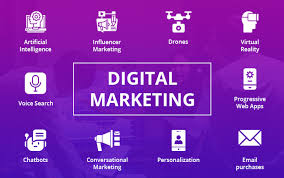
Top 7 Digital Marketing Trends You Should Learn in 2025.
The world of digital marketing is constantly evolving, with new technologies, strategies, and consumer behaviours shaping the landscape. As we head into 2025, it’s crucial for businesses to stay ahead of the curve and capitalize on emerging trends to boost their marketing effectiveness. In this blog, we’ll explore the top 7 digital marketing trends that are set to dominate in the coming year. 1. AI and Automation: The Future of Personalization Artificial Intelligence (AI) is no longer just a buzzword; it’s a driving force in digital marketing. In 2025, AI-powered tools will continue to dominate, especially in personalization. From automated content creation to predictive analytics, AI can analyse massive datasets and offer insights into customer behaviour. Marketers will use these insights trends to deliver more personalized and targeted experiences, enhancing customer satisfaction and driving higher conversions. Key Takeaways: 2. Voice Search Optimization As voice-activated assistants like Siri, Alexa, and Google Assistant become increasingly popular, optimizing content for voice search will be critical for digital marketers in 2025. Voice search queries are often longer and more conversational, requiring businesses to adjust their SEO strategies to accommodate these changes. Key Takeaways: 3. Social Commerce: Shopping Directly on Social Media The rise of social commerce means that consumers will no longer need to leave social platforms to make a purchase. Instagram, Facebook, TikTok, and other platforms are incorporating shopping features that allow users to browse products, read reviews, and check out directly on the app. This trends is only going to grow in 2025, as social platforms become an essential part of the eCommerce experience. Key Takeaways: 4. Video Marketing: Short-Form and Live Streaming Video content has been growing for years, and in 2025, short-form video and live streaming will be more important than ever. Platforms like TikTok, Instagram Reels, YouTube Shorts, and Facebook Live offer quick, engaging ways for brands to reach their audiences. Live streaming, in particular, provides an interactive way to engage with customers in real-time. Key Takeaways: 5. Influencer Marketing: The Shift Toward Micro-Influencers In 2025, micro-influencers will continue to play a significant role in digital marketing. Unlike mega-influencers, micro-influencers have smaller, more engaged followings. Brands will turn to these influencers for more authentic partnerships, as they tend to have higher engagement rates and are trusted by their followers. Key Takeaways: 6. Augmented Reality (AR) and Virtual Reality (VR) Experiences As AR and VR technologies evolve, marketers will increasingly use these tools to create immersive experiences for their customers. From virtual product try-ons to interactive ads, AR and VR will become more prevalent in marketing strategies, providing a fun and engaging way to boost brand awareness and customer engagement. Key Takeaways: 7. Privacy and Data Security: Building Trust with Transparency As consumers become more aware of their data privacy, brands must prioritize transparency and data security. With regulations like GDPR and new data protection laws, companies need to focus on ethical data collection practices and clearly communicate how customer data is being used. Gaining customer trust will be a top priority in 2025. Key Takeaways: 🚀 How to Prepare for These Trends Adapting to these digital marketing trends is essential for staying competitive in 2025. Here’s how you can start preparing: 💡 Final Thoughts Digital marketing trends in 2025 will be more dynamic and customer-focused than ever. By embracing AI, video content, social commerce, and emerging technologies like AR and VR, brands can create more personalized and engaging experiences. The key to success will be adapting quickly to these trends and building deeper relationships with your audience. To remain competitive, marketers will need to focus on delivering seamless, multi-channel experiences and leveraging data to make informed decisions. With the right tools, strategies, and mindset, you can capitalize on these trends to not only stay relevant but also excel in an increasingly crowded marketplace. Staying ahead of these trends will help you stay relevant, enhance your brand’s presence, and drive conversions in the ever-changing digital landscape. It’s about being proactive, innovative, and continuously testing new approaches to keep your marketing strategies fresh and impactful.
Top 7 Digital Marketing Trends You Should Learn in 2025. Read More »
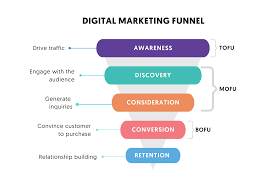
Understanding the DM Funnel : From Awareness to Conversions
In the world of digital marketing, success doesn’t happen by chance — it follows a strategy. One of the most essential strategies is understanding the marketing funnel, which represents the customer journey from discovering your brand to becoming a loyal buyer. Whether you’re a small business owner, marketer, or content creator, mastering the digital marketing funnel can help you attract, engage, and convert more leads effectively. 📌 What is a Digital Marketing Funnel? A digital marketing funnel is a visual representation of how potential customers move through different stages before making a purchase. It includes everything from learning about your brand for the first time to finally taking action — like signing up or buying a product. This narrows at the bottom, symbolizing how not every lead becomes a customer, but the goal is to guide as many as possible down the funnel. 🎯 The 5 Stages of the Funnel The funnel can be broken into five main stages: Let’s explore each stage in detail: 1. Awareness: “I Know You Exist” This is the top of the funnel (TOFU) and the first point of contact. At this stage, people are just discovering your brand. They might not know they have a problem yet, or they’re just starting to look for solutions. Your goal: Grab attention and educate. Best digital marketing strategies for awareness: ✅ Tip: Focus on creating high-quality, shareable content that solves common problems your target audience faces. 2. Interest: “Tell Me More” Now that your audience is aware of your brand, it’s time to spark interest. They are actively looking for more information and comparing solutions. Your goal: Show your value and build trust. Effective tools: ✅ Tip: Use storytelling and highlight how your product or service can help improve their lives. 3. Consideration: “Why Should I Choose You?” At this middle-of-the-funnel (MOFU) stage, leads are now evaluating different options. They are closer to a decision and want solid reasons to choose you over competitors. Your goal: Provide proof and make the decision easier. Best content for this stage: ✅ Tip: Retargeting ads work great here. Show your product again to those who visited your website but didn’t convert. 4. Conversion: “I’m Ready to Buy” This is the bottom of the funnel (BOFU) — where the magic happens. The prospect is now a hot lead and just needs a little push to become a paying customer. Your goal: Make it easy and irresistible to buy. Tactics to increase conversions: ✅ Tip: Ensure your website or landing page is optimized for mobile and fast loading to avoid drop-offs. 5. Loyalty & Advocacy: “I’ll Tell My Friends” After conversion, many brands forget this critical phase. Loyal customers are the most valuable — they buy again and become brand advocates. Your goal: Retain and delight. Tactics for this stage: ✅ Tip: A happy customer can bring in more leads through word-of-mouth than a paid ad. 📊 Why the Funnel Matters in Digital Marketing Understanding your digital marketing funnel helps you: 🚀 Optimizing Your Funnel for Success Here are a few bonus tips to make your funnel more effective: 💡 Final Thoughts The digital marketing funnel is more than a theory — it’s a powerful roadmap to help you move cold audiences to loyal customers. By understanding each stage and using the right strategies, you not only boost conversions but also build long-term brand loyalty. Remember: People don’t buy from brands. They buy from brands they trust. Your funnel is your chance to earn that trust, step by step.
Understanding the DM Funnel : From Awareness to Conversions Read More »
Facebook vs. Instagram Ads: What Should You Use In 2025 ?
In the ever-evolving world of digital marketing, brands often ask a key question: Should we advertise on Facebook or Instagram? While both platforms are owned by Meta and offer robust advertising tools, they each have unique strengths, audiences, and formats. Choosing the right one depends on your business goals, target audience, and marketing strategy. Let’s break down the key differences and help you decide which platform is a better fit for your next ad campaign. Audience Reach and Demographics Facebook has over 3 billion monthly active users, making it the largest social media platform in the world. It caters to a broad demographic, from teenagers to seniors. However, it’s especially popular among users aged 25–54, making it a great platform if your target audience includes older millennials, Gen X, or Baby Boomers. Instagram, with over 2 billion active users, is known for its highly engaged, visually-driven audience. It’s most popular among Gen Z and young millennials aged 18–34, making it ideal for brands targeting a younger, trend-savvy demographic. ✅ Verdict:Use Facebook Ads if you’re targeting a wide or older audience.Use Instagram Ads if your focus is on younger consumers with a preference for visual content. Ad Formats and Creativity Facebook supports a variety of ad formats including: These formats are highly effective for sharing detailed information, running polls, and promoting long-form content like blog posts or event invites. Instagram, on the other hand, shines with: Instagram’s focus on visual storytelling makes it the go-to platform for lifestyle, fashion, beauty, travel, and creative brands. ✅ Verdict:Choose Facebook Ads for more informative and text-rich campaigns.Go for Instagram Ads when visuals and aesthetics drive your brand message. Ad Engagement and User Behavior Instagram boasts higher engagement rates than Facebook. Users tend to like, comment, and share more frequently, especially when the content feels authentic and visually pleasing. This makes Instagram an ideal platform for building brand awareness and community. On Facebook, users are more likely to click on links, fill out forms, and read long captions, making it a better platform for lead generation and driving traffic to external websites. ✅ Verdict:Instagram is better for engagement and brand visibility.Facebook is better for conversions and lead generation. Cost and Budget Efficiency When it comes to cost, both platforms use a bidding system where you pay per click (CPC), per thousand impressions (CPM), or per action. Generally: Your cost will also depend on your industry, audience size, and competition. ✅ Verdict:Facebook Ads are more budget-friendly for lead-based campaigns.Instagram Ads are worth the investment for visually-driven brands. Business Goals & Objectives Here’s a quick match-up based on common marketing goals: Goal Better Platform Brand Awareness Instagram Engagement (Likes, Comments) Instagram Lead Generation Facebook Website Traffic Facebook Product Discovery Instagram Event Promotion Facebook App Install Both (depends on creative) Analytics & Performance Tracking Both Facebook and Instagram are powered by the Meta Ads Manager, allowing you to: Because they use the same backend system, you can even run cross-platform campaigns and compare performance easily. ✅ Verdict:Both platforms offer excellent analytics tools through Meta Business Suite. The Best Strategy? Combine Both! Why choose one when you can leverage both? A cross-platform campaign helps you: Start with a combined campaign and use analytics to find out which platform delivers the highest ROI. Then adjust your strategy accordingly. Final Thoughts So, Facebook vs. Instagram Ads—who wins? The answer isn’t one-size-fits-all. If your goal is lead generation or reaching a mature audience, Facebook is likely your best bet. If you’re aiming for engagement, brand visibility, and appealing to a younger audience, Instagram shines. Ultimately, your best approach is to understand your audience, align your digital marketing strategy with clear goals, and experiment with both platforms. Keep testing, optimizing, and scaling what works.
Facebook vs. Instagram Ads: What Should You Use In 2025 ? Read More »
Digital Marketing in 2025: What , Why and How to Do Rightly
Let’s be real for a second — digital marketing used to feel like something only tech companies or big brands had to worry about. But now? Whether you’re a startup, a freelancer, or even a traditional business trying to stay relevant, digital marketing is no longer optional — it’s essential. But here’s the good news: you don’t need a huge budget or a team of experts to get started. You just need clarity, consistency, and a solid strategy. So let’s break it down — what digital marketing really is, why it matters in 2025, and how to do it in a way that works for you. What Exactly Is Digital Marketing? Digital marketing is just a fancy way of saying “how you promote your business online.” That includes: Basically, if it lives on the internet and helps you connect with potential customers, it falls under digital marketing. Why Digital Marketing is Non-Negotiable in 2025 The world is online — and your audience is too. People no longer wait to see a billboard or a newspaper ad. They Google what they need. They scroll through Instagram for inspiration. They read reviews on YouTube or browse blogs for advice. So if you’re not showing up online? You’re invisible. Here’s why digital marketing is a game-changer: The Core Pillars of Digital Marketing To keep things simple, think of digital marketing as a mix of content + connection + conversion. Let’s explore those pillars: 1. Content That Connects At the heart of digital marketing is content — the stuff you post, write, or record. But content isn’t just about posting every day. It’s about creating something meaningful that your audience finds helpful, inspiring, or entertaining. 👉 Tip: Use the 80/20 rule. 80% of your content should be valuable and educational, while only 20% should promote your offers. Examples: Your content should make people stop scrolling and think, “Wow, this is actually useful.” 2. Consistent Social Presence If content is the “what,” then social media is the “where.” You don’t need to be on every platform — just the ones where your audience hangs out. Instagram and LinkedIn are great for visual storytelling and personal branding. Pinterest works for creative businesses. Facebook is solid for community building. And don’t sleep on YouTube or TikTok if you’re comfortable on camera. 👉 Tip: Choose 1–2 platforms to focus on and show up consistently, even if it’s just 3 times a week. Remember, consistency beats perfection. 3. SEO: Be Found When People Search SEO (Search Engine Optimization) can feel intimidating, but at its core, it’s about helping Google help you. When someone searches “best skincare for sensitive skin” or “affordable business coach,” SEO helps your website show up in those results. And the higher you rank, the more people click. 👉 Tip: Start with keyword research tools like Ubersuggest or Google Keyword Planner. Use your keywords naturally in blog posts, page titles, and headings. SEO takes time, but it builds long-term trust and traffic — and it doesn’t cost a penny. What About Paid Ads? Are They Worth It? Short answer? Yes — but only after you have a clear brand and content strategy. Ads work best when you know: Start with small budgets, test different creatives, and always track results. Facebook and Instagram ads are great for visibility, while Google Ads are perfect for people already searching for what you offer. Email Marketing: The Underrated Superpower Think email is outdated? Think again. Your email list is one of the few things you own in the digital world. Social media can glitch or disappear — your email list? It’s yours forever. Use it to: 👉 Tip: Start building a list early, even with just 10 subscribers. Use a simple lead magnet like a free PDF, checklist, or mini course. Start Small, But Start Now Here’s the truth: you don’t need to do everything at once. Pick one channel. Start creating value. Test what works. And keep going. Digital marketing isn’t a one-time task. It’s a long-term relationship with your audience — built on trust, consistency, and storytelling. The key is to start with small, achievable goals and build your strategy gradually. Focus on the platforms where your audience already engages, and expand from there as you learn and grow. It’s about making progress, not perfection. Experiment with different content types to see what resonates with your target audience. Whether it’s blog posts, social media content, videos, or email newsletters, focus on delivering quality and value. As you test, track your results and refine your strategy based on insights. And remember, consistency is crucial. It might take time to see significant results, but staying consistent and authentic will eventually pay off. By starting small, you’ll be able to stay agile, make adjustments, and build a strong foundation for your long-term success. So whether you’re just starting your brand or trying to level up, the best time to start now .
Digital Marketing in 2025: What , Why and How to Do Rightly Read More »